Project Shakti, led by Hyderabad District Collector Hari Chandana IAS
Updated:Mar 10, 2026
Blog
Project Shakti, led by Hyderabad District Collector Hari Chandana IAS
Updated:Mar 10, 2026
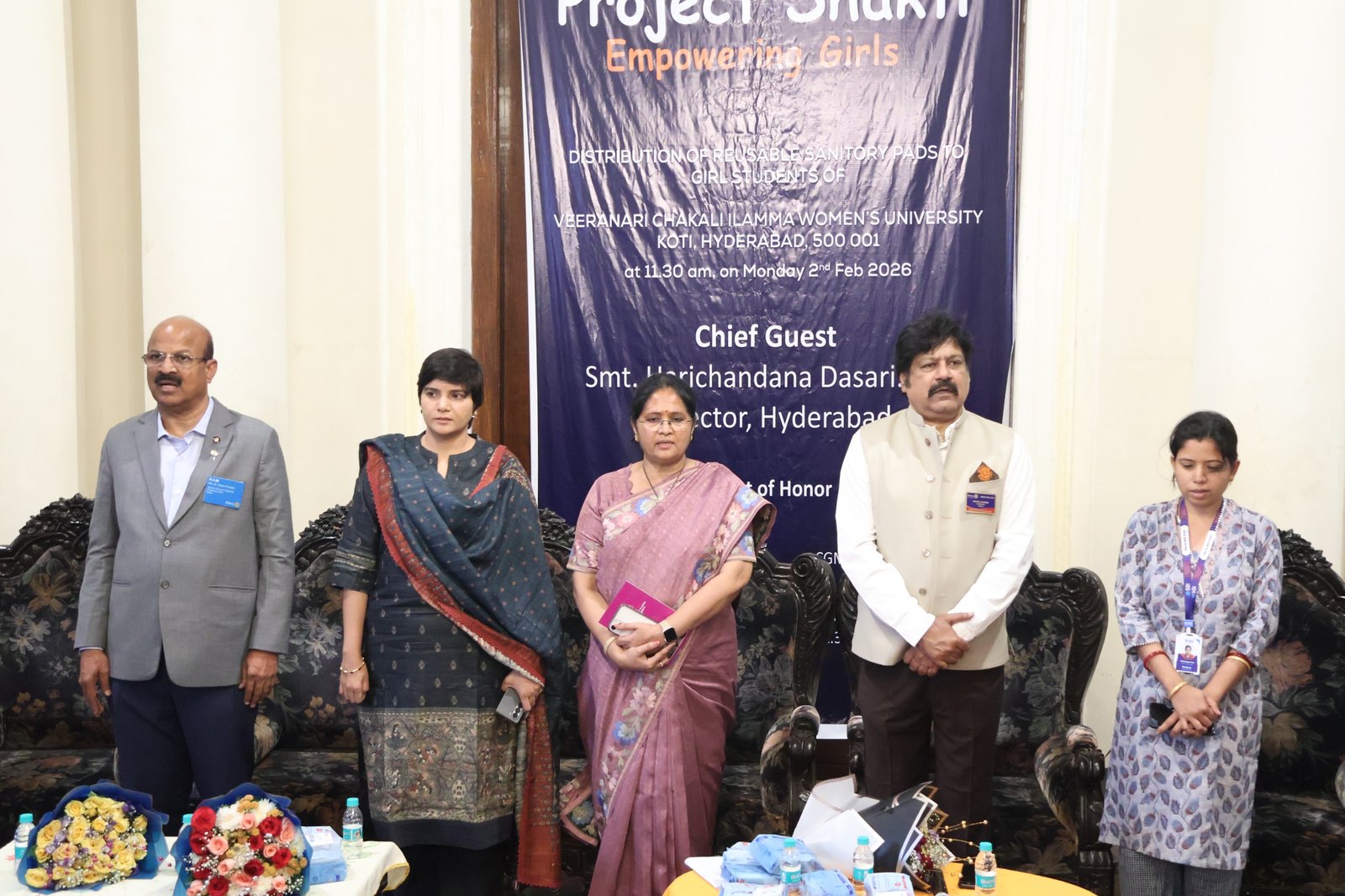
Project Shakti, led by Hyderabad District Collector Hari Chandana Dasari, is a sustainable menstrual health initiative distributing reusable sanitary pad kits to 60,000 girls across Telangana.
In Hyderabad on a morning in February, something extraordinary was going on in a room full of young girls.They were listening.Not to a biology lecture. Not to some muted talk in embarrassment mantled. But to a district collector standing with a podium in the air, talking frankly of menstruation, of decency, of self-sufficiency, of the right to an education without interference. Project Shakti by Hari Chandana was not just another government project. It was a cultural signal. Governance had now resolved to speak out, in a country where time is frequently talked about under their breath.
The Cost of Silence Menstruation is not only a biological process to millions of Indian girls. It is an economic event that occurs periodically. Sanitary products have to be spent on every month. In a family with limited income (as in most rural or low-income families), menstrual cleanliness is a bargaining point. The aftermath can be foreseen: school absence, discomfort, stigma and even early dropouts. The tragedy does not lie in the fact that menstruation exists. The tragedy lies in the fact that it gets smaller round the opportunity. This tax is what Project Shakti is right against. The initiative lowers the recurring spend and eliminates a viable obstacle to education through the issue of reusable sanitary pad kits which are designed to last more than a year. More crucially, it eliminates something less materialistic, indecisiveness.