04
March
How Public Policy Influences Governance Roles of IAS Officers


Discover the stories behind some of the famous IAS officers in India, their real-life challenges, landmark achievements, and the human side of public service. These profiles aren’t just about designations; they reflect courage, creativity, and service that made them top IAS officers in the eyes of the nation. A must-read for every aspirant who dreams of making a meaningful impact.
In India, the Indian Administrative Service (IAS) is considered one of the most prestigious careers. IAS officers are pivotal in the country’s administration and governance, ensuring policies are implemented effectively. HariChandana stands out among these officers for her exceptional work and dedication. This article delves into the lives and achievements of some of the Famous IAS officers in India, with a special focus on HariChandana.
The Indian Administrative Service (IAS) is the backbone of India’s bureaucratic structure. It represents a blend of power, responsibility, and service. IAS officers are selected through the UPSC Civil Services Examination, one of the most challenging competitive exams in the world.
Once selected, these officers are entrusted with crucial responsibilities that shape the country’s governance and development. Their roles span policy formulation, implementation, crisis management, and public welfare administration.
Over the decades, several IAS officers have gone above and beyond their duty to bring about transformative changes in society. These exemplary individuals have not only improved administrative systems but also significantly impacted the lives of ordinary citizens.
An IAS (Indian Administrative Service) officer is a member of India’s elite civil service. The IAS is part of the All India Services, and the central and state governments can employ officers. They are generalist administrators who can be assigned to different departments and ministries depending on the requirements.
Their responsibilities include:
IAS officers are selected through the UPSC (Union Public Service Commission) Civil Services Examination, which consists of three stages: Preliminary, Mains, and Personality Test (Interview).
IAS officers are the face of government policy on the ground. They ensure that policies formulated at the highest levels of governance are implemented effectively. Some of the significant roles of an IAS officer include:
The UPSC Civil Services Examination is known for its competitiveness. It includes:
Only a fraction of applicants qualify. Out of the millions who apply each year, fewer than 1% are successful.

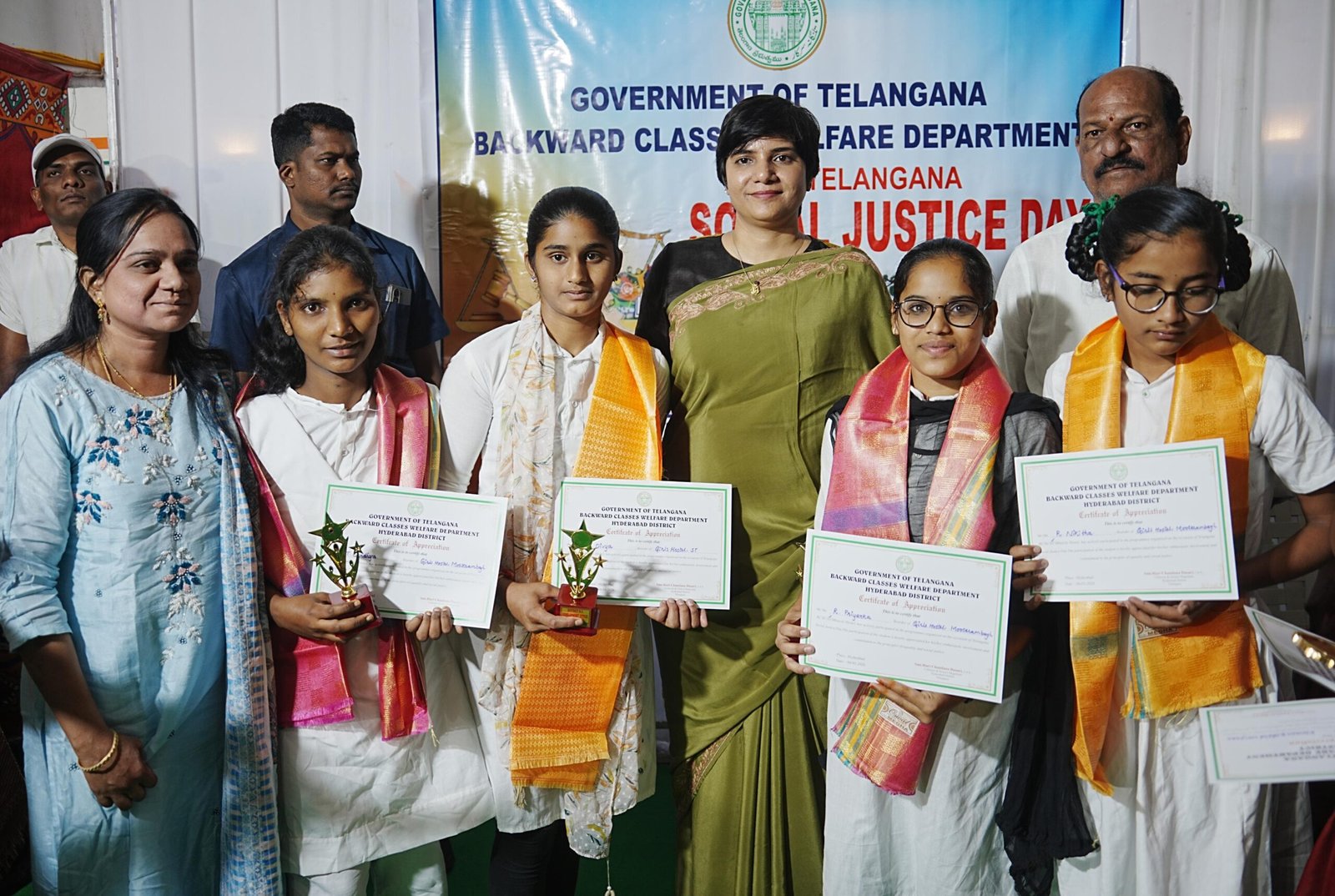
Among the famous IAS officers in modern India, Hari Chandana IAS stands out not just for her administrative accomplishments but for her deep empathy, community-driven reforms, and sustainability-focused leadership. She is part of a new wave of civil servants redefining what public service truly means.
Hari Chandana IAS belongs to the 2010 batch of the Telangana cadre. With an academic background that blends administrative theory and practical exposure, she entered the Indian Administrative Service with a clear vision—to make governance approachable, inclusive, and impactful.
Her journey includes impactful tenures as:
Zonal Commissioner (West), Greater Hyderabad Municipal Corporation (GHMC)
District Collector of Narayanpet and Nalgonda
Collector & District Magistrate of Hyderabad (June 2025–present)
Each role brought out her commitment to citizen welfare, especially for marginalized and underrepresented groups.
One of her most celebrated contributions is the Waste to Wealth initiative in Hyderabad, where she transformed tons of municipal plastic waste into paver blocks and construction materials. This initiative not only reduced landfill burden but also generated employment—especially for women from self-help groups.
Understanding the importance of basic sanitation in public spaces, she pioneered the installation of She Toilets—modern, safe, hygienic restrooms for women equipped with solar panels and sanitary napkin vending machines. It set a new benchmark in gender-sensitive urban planning.
In Narayanpet, Hari Chandana launched Aarunya, an e-commerce initiative that helped rural women and artisans sell handmade goods online. She also introduced T-Consult, a telemedicine program, to bring quality healthcare to remote areas during the COVID-19 pandemic.
During the pandemic, her administration mobilized women’s groups for mask production, food distribution, and local sanitization efforts. Not only did this help communities cope with health risks, but it also turned adversity into opportunity by providing income to thousands of families.
Senior Saathi is a thoughtful community-based initiative introduced under the leadership of Hari Chandana IAS, District Collector of Hyderabad, with a clear focus on the emotional wellbeing of senior citizens living alone. The programme recognises that many elderly people do not always need financial help, but regular human connection, conversation, and reassurance.
Through Senior Saathi, young volunteers are encouraged to connect with senior citizens in their neighbourhoods, offering companionship through regular visits or phone calls. These interactions help reduce loneliness, provide emotional comfort, and create a sense of belonging for elders who often feel isolated due to changing family structures and urban lifestyles.
The initiative also helps identify early signs of health or welfare concerns, enabling timely support through appropriate channels. By fostering inter-generational bonding, Senior Saathi strengthens community ties and promotes shared responsibility towards senior citizens.
What makes Senior Saathi meaningful is its simplicity. It does not rely on complex systems, but on empathy, listening, and consistent human presence. Under Hari Chandana IAS’s administration, the initiative reflects a people-centric approach to governance, where dignity, care, and inclusion remain central. Senior Saathi stands as an example of how small, compassionate efforts can quietly improve everyday lives across the city.
In June 2025, Hari Chandana became the first Dalit woman to serve as the District Collector of Hyderabad—a landmark appointment that reflected the Telangana government’s commitment to inclusive governance. Her elevation to this post is a symbol of representation, leadership, and hope for many aspirants from marginalized communities.
Hari Chandana IAS has been honored by:
NITI Aayog’s “Women Transforming India”
United Nations Public Service Awards (India Chapter)
Featured in numerous national and international platforms for urban innovation and sustainability.
Her name frequently appears in media coverage and public discussions when talking about the top IAS officers in India who are leading change from the ground up.
What sets Hari Chandana apart is her ability to combine efficiency with compassion. She’s approachable, forward-thinking, and deeply rooted in community welfare. For UPSC aspirants seeking inspiration, her journey is proof that service can be innovative, impactful, and deeply human.
She’s not just a bureaucrat in a file-filled office—she’s the kind of officer who sits with artisans, plants trees with schoolchildren, and turns governance into a shared experience with the people it serves.
In August 2025, Hari Chandana IAS was honoured with the Sustainable Agriculture Award 2025 at the 2nd Sustainable Agriculture Summit & Awards, New Delhi. This prestigious award was presented in recognition of her innovative green farming initiatives, climate-smart practices, and farmer welfare programs at the district level.
The award, themed around “Krishi 2047: Climate-Ready Farming, Future-Ready Bharat”, aligns with India’s vision of a Viksit Bharat. Hari Chandana’s contributions highlight her consistent efforts to integrate eco-friendly farming solutions, water conservation methods, and farmer empowerment programs, making her one of the most admired administrative leaders in sustainable development.
Her consistent contributions across urban innovation, sustainability, women’s empowerment, and rural development place Hari Chandana IAS firmly among the famous IAS officers and undoubtedly among the top IAS officers shaping India’s administrative future.
Her story is one of resilience, service, and vision—exactly the kind of leadership India needs today.
The famous IAS officers in India are known for holding high positions and creating a measurable, lasting impact through innovation, courage, and public service. These officers stand out because they can transform administrative challenges into opportunities for societal improvement.
Some of the respected and results-driven IAS officers include:
These officers have raised the bar for what dedicated public administration can achieve. Their work continues to inspire the next generation of civil servants in India.
India has produced many IAS officers whose fame extends beyond government corridors due to their integrity, innovation, and connection with the public. These officers have become household names because of their work’s broad impact and presence in public discourse.
Here are some of the best IAS officers in India:
These officers not only administered but also inspired change. Their stories reflect the power of ethical leadership, vision, and grassroots action in India’s governance model.
Known for: Electoral Reforms
Key Contributions:
Introduced Voter ID cards as mandatory
Curbed use of money and muscle power in elections
Established strict enforcement of the Model Code of Conduct
Modernized election procedures through transparency norms
Known for: Sustainable Urban Governance
Key Contributions:
Waste to Wealth — Recycled 15,000+ tons of plastic into usable materials
She Toilets — Smart sanitation units for women with solar panels
Aarunya — E-commerce platform for rural women artisans
T-Consult — Free telemedicine during the pandemic
Pot Making Campaign — Revived traditional crafts in Hyderabad
Led mask-making & food supply chains through SHGs during COVID-19
First Dalit woman appointed as Hyderabad Collector (2025)
Known as: The Miracle Man of Manipur
Key Contributions:
Built the “People’s Road” in Tamenglong without government funds
Initiated school rebuilding efforts in tribal areas
Promoted education and infrastructure in neglected northeast regions
Led medical camps and livelihood projects in interior villages
Known for: Administrative Transparency
Key Contributions:
Exposed the controversial land deals in Haryana
Digitized land records to reduce fraud
Implemented e-governance in Transport Department
Known for policy reforms in education and archives management
Known as: The People’s Officer
Key Contributions:
Fund Your City project for public-private urban development
Streamlined maternal and child health services
Used data dashboards to monitor district performance in education and health
Launched “Walk to Work” campaign in Telangana’s Secretariat
Known for: Anti-Corruption & Digital Governance
Key Contributions:
Took action against illegal land encroachments and real estate scams
Introduced automated file tracking in multiple departments
Actively used RTI and open-data tools for transparency
Promoted organic farming initiatives in Kerala
Known for: Disability Rights & UPSC Inclusion
Key Contributions:
Advocated for reservation reforms for differently-abled candidates
Worked with the Ministry of Social Justice on disability inclusion policies
Conducted awareness workshops on accessibility
Promoted education for special-needs children across districts
Known for: Digital Infrastructure & Policy
Key Contributions:
Key architect of Digital India campaign
Championed BharatNet — rural broadband rollout
Pioneered India’s electronic governance framework
Led National Optical Fibre Network expansion
Known for: Ethical Administration
Key Contributions:
Declared assets voluntarily as a transparency gesture
Closed illegal granite mining operations in Madurai
Instituted people-first grievance redressal systems
Made public spending audits available on websites
Known for: Fiscal Oversight & Clean Auditing
Key Contributions:
Uncovered 2G and coal allocation scams through CAG reports
Strengthened the role of audit in public accountability
Served as Chairman of the Banking Boards Bureau
Promoted ethical governance in public finance
Known for: Philanthropy & Rehabilitation
Key Contributions:
Founded BMVSS — world’s largest organization for free prosthetics
Distributed over 1.7 million Jaipur Foot limbs globally
Advocated for accessible mobility aids in rural India
Partnered with MIT to develop cost-effective artificial limbs
Known for: Disaster Relief & Rural Livelihood
Key Contributions:
Coordinated tsunami relief efforts in Andaman and Nicobar Islands
Promoted self-help groups for rural women
Served as Secretary, Ministry of Fisheries
Initiated skilling programs in coastal and tribal regions
Known for: Land Reform & Accountability
Key Contributions:
Took bold action against illegal sand mining in UP
Led anti-encroachment drives despite political pressure
Focused on education infrastructure and girl child welfare
Promoted local grievance redressal platforms
“Also Read – Duties and Responsibilities of an IAS Officer“
IAS officers significantly impact society through their work in policy implementation, disaster management, and social reforms. They act as a bridge between the government and the public, ensuring that the benefits of various schemes reach the grassroots level. Their proactive engagement can:
Despite their significant contributions, IAS officers face numerous challenges:
The contributions of IAS officers like HariChandana, Durga Shakti Nagpal, Armstrong Pame, and Smita Sabharwal highlight their crucial role in India’s development. Their dedication, innovation, and unwavering commitment to public service make them exemplary figures. As they continue to work towards a better future for India, their stories inspire and motivate countless individuals to strive for excellence in public service.
In recognizing and empowering such officers, India strengthens its democratic and administrative backbone. Their lives are a testament to what dedicated governance can achieve.
Who is the most famous IAS officer in India?
Hari Chandana IAS is widely recognized as one of the most famous IAS officers in India today. Known for her pioneering work in sustainable governance, she introduced initiatives like Waste to Wealth, She Toilets, and Aarunya, transforming urban and rural communities alike. As the current Collector of Hyderabad and the first Dalit woman to hold the post, her leadership continues to inspire thousands of aspirants and civil servants across the country.
Who is the fearless IAS officer?
Hari Chandana IAS is often seen as one of the most fearless IAS officers in India. Whether it’s taking on environmental challenges, pushing for inclusive development, or empowering marginalized communities, she’s never shied away from breaking the status quo. Her bold, ground-level initiatives — even during crises like COVID-19 — reflect her courage, innovation, and deep commitment to public service.
Who is the most honest IAS officer?
Hari Chandana IAS is admired as one of the most honest IAS officers in the country. Throughout her career, she has championed transparent governance and citizen-first policies. Her track record includes publicly accountable projects, community-led decision-making, and zero-tolerance for bureaucratic red tape — earning her the trust and respect of both colleagues and the public.
Who is the most qualified IAS officer in India?
Dr. Raju Narayana Swamy is often cited as the most qualified IAS officer in India. A Kerala-cadre officer, he is an IIT alumnus, holds multiple academic degrees, and has a Ph.D. in public policy. His academic excellence is matched by a career rooted in anti-corruption and ethical governance.
Who is the 21-year-old girl UPSC topper?
As of now, no official UPSC topper has secured All India Rank 1 at the age of exactly 21. However, Tina Dabi topped the exam at age 22 in 2015, becoming one of the youngest and most popular toppers in recent times.
Who was the first IAS girl?
Anna Rajam Malhotra was the first woman to join the Indian Administrative Service (IAS) in 1951. A true pioneer, she broke gender barriers in India’s bureaucracy and went on to hold several key positions, including roles in the central government and the Port Trust of Bombay.
Who is the youngest IAS officer?
Ansar Shaikh is considered the youngest IAS officer in India. He cleared the UPSC Civil Services Examination in 2016 at the age of 21. Coming from a humble background, his journey is often cited as an inspiring example of perseverance and determination.
Who is the first woman IAS officer?
Anna Rajam Malhotra holds the distinction of being the first woman IAS officer of independent India. She joined the service in 1951 and paved the way for countless other women to enter civil services, proving that leadership has no gender.
What Is The Role Of An IAS Officer In India?
An IAS officer is responsible for implementing government policies, maintaining law and order, managing development programs, and overseeing administrative functions at various governance levels.
How Are IAS Officers Selected In India?
IAS officers are selected through the UPSC Civil Services Examination, which includes a Preliminary exam, a Mains exam, and a Personality Test.
Who Is HariChandana?
HariChandana is a 2010 batch IAS officer known for her innovative work in urban development, waste management, and women’s empowerment, especially in Telangana.
What Are The Major Achievements Of HariChandana?
Her achievements include the ‘Pattana Pragathi’ program, plastic recycling projects, COVID-19 relief initiatives, eco-friendly markets, and women’s empowerment schemes.
What Awards Has HariChandana Received?
She has received the Woman of the Year award from the Indian Chamber of Commerce, the Digital India Award, the Skoch Award, and the Water Digest Award.
Who Is Durga Shakti Nagpal And What Is She Known For?
Durga Shakti Nagpal is known for her bold actions against illegal sand mining in Uttar Pradesh, which showcased integrity and administrative courage.
What Is Armstrong Pame Famous For?
He is renowned for constructing a 100-kilometer road in Manipur without government funding, known as the “People’s Road,” which significantly improved rural connectivity.
Why Is Smita Sabharwal Called The “People’s Officer”?
She is called the “People’s Officer” for her participatory approach to governance and initiatives like “Fund Your City,” promoting citizen engagement.
What Is Ashok Khemka Known For?
Ashok Khemka is known for his commitment to integrity. He has exposed several controversial land deals and upheld transparency despite frequent transfers.
Who Is U. Sagayam, And What Did He Do?
U. Sagayam is a Tamil Nadu cadre IAS officer who is recognized for his anti-corruption stance and for exposing illegal granite mining operations.
How Do IAS Officers Impact Society?
They ensure government schemes reach the public, manage disaster responses, and lead health, education, and infrastructure reforms.
What Are The Main Challenges Faced By IAS Officers?
IAS officers often face political interference, frequent transfers, limited resources, bureaucratic red tape, and high personal sacrifices.
What Educational Qualification Is Required To Become An IAS Officer?
A candidate must hold a bachelor’s degree from a recognized university to be eligible for the UPSC Civil Services Examination.
How Competitive Is The UPSC Exam For IAS?
It is highly competitive, with a less than 1% success rate, but it attracts millions of aspirants yearly.
How Long Is The Training For IAS Officers?
IAS training lasts approximately two years and includes foundational, district, and specialized training at the Lal Bahadur Shastri National Academy of Administration.
Can IAS Officers Work In International Organizations?
IAS officers can be deputed to international bodies such as the United Nations or represent India at global forums.
What Is The Pattana Pragathi Program?
It is an urban development initiative led by HariChandana to improve sanitation, green cover, and public infrastructure in Telangana cities.
Are IAS Officers Frequently Transferred?
IAS officers are frequently transferred across departments and locations based on administrative requirements and policies.
How Do IAS Officers Promote Women’s Empowerment?
Through skill development programs, financial inclusion initiatives, and schemes to increase female participation in governance and employment.
Why Are IAS Officers Important For India’s Development?
They serve as crucial links between policy and public welfare, ensuring effective governance, resource distribution, and reform implementation at the grassroots levels.