04
March
How Public Policy Influences Governance Roles of IAS Officers


Women’s Empowerment in India has been a long and evolving journey, shaped by centuries of struggle against deeply rooted social, cultural, and economic barriers. Historically, women faced significant restrictions on education, property rights, political participation, and workforce inclusion. Social norms, patriarchal structures, and discriminatory practices limited their access to opportunities and decision-making roles. Despite these challenges, the 20th and 21st centuries have witnessed remarkable progress—women now occupy leadership positions in politics, business, science, sports, and governance. Legislative reforms, constitutional guarantees, and affirmative action have laid the groundwork for gender equality, but the journey toward full Women Empowerment Missions remains incomplete.
In contemporary India, socio-economic and cultural factors continue to influence the status of women in complex ways. While urban centers show increasing participation of women in education, technology, and entrepreneurship, rural areas often struggle with issues like child marriage, gender-based violence, wage disparity, and lack of access to healthcare. Intersectional challenges—such as caste, religion, and geography—further shape women’s lived experiences. In this context, the role of the administrative machinery becomes critical in translating policies into tangible, grassroots-level change.
IAS officers, as the highest-ranking members of the Indian bureaucracy, are uniquely positioned to lead transformative women’s empowerment missions. Their administrative authority spans policy design, implementation, and monitoring, enabling them to create impactful interventions tailored to local needs. Positioned at the intersection of governance and society, IAS officers can mobilize resources, coordinate across multiple government departments, forge partnerships with NGOs and private enterprises, and ensure that benefits reach the most marginalized women. Beyond mere program execution, they can integrate gender-sensitive approaches into all aspects of governance—be it education, health, livelihoods, or digital inclusion—making them powerful catalysts for systemic change.
Women‘s Empowerment has been a core focus of India’s governance framework, anchored in constitutional guarantees of equality and reinforced by progressive laws and welfare schemes. From national initiatives like Beti Bachao Beti Padhao and Mission Shakti to state-level programs promoting education, health, and economic independence, the policy landscape aims to address both structural barriers and emerging challenges faced by women. IAS officers play a pivotal role in operationalizing these measures, adapting them to local contexts, and ensuring that governance is not just gender-inclusive on paper but also transformative on the ground.
Policy and Legislative Framework
India‘s policy and legislative framework for women’s Empowerment is built on constitutional provisions guaranteeing equality and non-discrimination, supported by landmark laws. These legal measures, combined with targeted welfare schemes, create an enabling environment for gender justice. IAS officers act as key enforcers and innovators within this framework, ensuring that these policies move beyond statutory mandates to deliver measurable impact in communities across states.
The Indian Constitution gives a strong foundation for gender equality.
These provisions empower IAS officers to enforce equality-oriented policies and to integrate gender-sensitive measures into administrative governance.
Several laws have been enacted to safeguard women’s rights and promote Empowerment:
IAS officers play a direct role in implementing these laws at the state and district levels, ensuring that protection mechanisms function effectively and that awareness programs reach women in both urban and rural areas.
The combination of constitutional guarantees and legislative safeguards provides IAS officers with a clear legal mandate to design and enforce programs aimed at empowering women. Through district administration, public outreach, and collaboration with law enforcement, they can ensure that legal protections are not confined to statutes but actively improve the daily lives of women across states.
Government Schemes Targeting Women’s Empowerment
India has introduced multiple schemes to promote women’s education, health, safety, and economic independence, including Beti Bachao Beti Padhao, Mission Shakti, and Mahila E-Haat. IAS officers are responsible for adapting these schemes to local needs, ensuring effective delivery, and monitoring outcomes so that benefits reach women at the grassroots level.
Launched in 2015, Beti Bachao Beti Padhao aims to address declining child sex ratios and promote the education of girls. The program combines awareness campaigns, strict enforcement of laws against prenatal sex determination, and incentives for educating girl children. IAS officers implement district-level action plans, coordinate with health, education, and law enforcement departments, and monitor progress through data tracking and community engagement.
Mission Shakti integrates various women-focused initiatives under two components: Sambal (safety and security) and Samarthya (Empowerment). Sambal includes measures like women’s helplines, one-stop crisis centers, and police assistance programs, while Samarthya covers livelihood training, microcredit support, and leadership development. IAS officers oversee the convergence of resources from multiple departments to ensure women have both safety protections and opportunities for socio-economic advancement.
Mahila E-Haat is an online marketing platform created to support women entrepreneurs by providing them direct access to buyers. It promotes digital inclusion and offers a low-cost channel for selling products nationwide. IAS officers contribute by linking local women producers to the platform, providing training in digital literacy, and ensuring market access for rural artisans and small-scale producers.
These schemes create structured opportunities for women to advance socially, economically, and politically. IAS officers ensure that program benefits are not limited to policy announcements but reach beneficiaries effectively. They adapt implementation strategies to suit local cultural and economic conditions, monitor measurable outcomes, and remove administrative bottlenecks to improve reach and efficiency.
Intersection with Sustainable Development Goals (SDG 5)
SDG 5 aims for gender equality and to empower all women and girls by 2030. In India, IAS officers contribute to this goal by implementing policies and schemes that promote equal access to education, healthcare, employment, and decision-making. Their work ensures that national and state-level women empowerment initiatives are aligned with global commitments, while adapting strategies to address region-specific challenges and cultural contexts.
Sustainable Development Goal 5, adopted by the United Nations in 2015, focuses on gender equality and empowering all women and girls by 2030. It calls for the elimination of discrimination, violence, and harmful practices, along with ensuring equal participation in leadership, access to education, healthcare, and economic resources.
India has incorporated SDG 5 targets into national and state policies through various programs addressing women’s safety, health, education, and economic independence. Initiatives like Beti Bachao Beti Padhao, Mission Shakti, and skill development schemes contribute directly to SDG 5 indicators such as reducing gender-based violence, increasing female labor force participation, and improving literacy rates among women.
IAS officers translate these global commitments into actionable strategies at the district and state levels. They adapt program delivery to local socio-economic realities, monitor progress through measurable indicators, and ensure that interventions reach marginalized groups, including rural women, tribal communities, and those facing multiple layers of discrimination. By integrating gender perspectives into governance, they make the SDG 5 goals part of everyday administrative priorities.
Progress toward SDG 5 is assessed through data on school enrollment rates for girls, reduction in maternal mortality, improvement in women’s workforce participation, and enhanced representation in decision-making bodies. IAS officers play a central role in collecting accurate data, ensuring transparency, and making course corrections when targets are not met.
Policy Implementation at the State and District Level
IAS officers convert national and state women empowerment policies into targeted local programs. They adapt schemes to suit regional needs, oversee their execution through district administrations, and ensure coordination among departments such as health, education, and social welfare. This approach ensures that policy objectives translate into measurable benefits for women at the community level.
IAS officers act as the bridge between policy formulation and on-ground execution. When central and state governments introduce women empowerment policies, these officers interpret the guidelines, set local priorities, and prepare implementation plans suited to the district’s socio-economic context. They ensure that every initiative—from skill development programs to health interventions—aligns with both legislative intent and community needs.
Regional differences in culture, literacy levels, economic activities, and social norms often require tailoring programs for maximum impact. IAS officers assess local challenges, identify target groups, and adjust delivery methods accordingly. For example, in districts with low female literacy, they may prioritize awareness campaigns and school enrollment drives. At the same time, in economically disadvantaged areas, they may focus on livelihood training and microcredit support for women.
Women’s Empowerment requires a coordinated approach involving departments such as health, education, police, rural development, and social welfare. IAS officers lead inter-departmental committees, schedule joint action plans, and resolve operational challenges to ensure smooth delivery of services. This coordination is critical in avoiding duplication of efforts and ensuring efficient use of resources.
Effective policy implementation relies on continuous monitoring. IAS officers track performance indicators such as beneficiary coverage, project completion rates, and socio-economic outcomes for women. They use this data to make mid-course corrections, address bottlenecks, and maintain accountability in fund utilization. Public feedback mechanisms, such as grievance redressal cells and community meetings, further strengthen transparency.
Through structured planning, resource management, and local adaptation, IAS officers ensure that women empowerment policies translate into measurable improvements in health, education, safety, and economic participation for women. Their ability to act decisively at the district level makes them key drivers in transforming policy directives into real societal change.
Innovation in Administration
IAS officers introduce new approaches to women’s Empowerment by adapting policies to local realities, leveraging technology, and creating community-driven solutions. They design programs that go beyond standard procedures, such as integrating digital tools for monitoring, forming public–private partnerships, and introducing skill development models tailored to regional economic opportunities. These innovations make governance more responsive and effective in addressing women’s needs.
IAS officers often adapt national and state-level women empowerment schemes to fit the unique social, cultural, and economic realities of their districts. This ensures that programs remain relevant and practical for the target population. For instance, in regions where women’s participation in the workforce is low due to cultural restrictions, officers may focus on home-based livelihood projects or digital work-from-home opportunities.
Administrative innovation frequently involves using technology to improve monitoring, outreach, and service delivery. Officers introduce mobile applications for grievance reporting, create digital dashboards for tracking beneficiary progress, and use GIS mapping to identify underserved areas. These tools help maintain transparency and enable data-driven decision-making.
IAS officers involve local communities in shaping the implementation process. By conducting village-level consultations, they gather insights on challenges faced by women, allowing them to adjust training modules, health services, or safety measures accordingly. This approach improves acceptance and participation in empowerment programs.
Partnerships with NGOs, private enterprises, and academic bodies are another form of innovation. Such collaborations help introduce specialized training, expand market access for women entrepreneurs, and strengthen support systems like legal aid and counseling services.
When a customized intervention shows measurable success, IAS officers replicate and scale it in other districts with similar socio-economic conditions. This creates a cycle of learning and improvement, ensuring that effective models reach more communities.
Public–Private Partnerships (PPPs) for Women’s Empowerment
IAS officers use PPP models to combine government resources with private sector expertise, expanding the reach and impact of women-focused programs. These partnerships support initiatives such as skill development, entrepreneurship promotion, market access for women-led enterprises, and technology-driven solutions. By coordinating efforts between public agencies, corporate entities, and non-profits, officers create sustainable frameworks that strengthen women’s economic and social participation.
Public–Private Partnerships combine the administrative reach of the government with the efficiency, innovation, and resources of the private sector. In the context of women’s Empowerment, these partnerships help create programs that are both scalable and sustainable, addressing economic, educational, health, and safety needs.
IAS officers act as coordinators, ensuring that PPP initiatives align with government policies and meet local needs. They identify areas where private sector expertise can strengthen government schemes, such as advanced training modules, market linkages, or digital platforms for women entrepreneurs.
IAS officers ensure that PPP projects have clear objectives, defined roles for each partner, and measurable impact indicators. They oversee project planning, monitor progress, and resolve operational challenges. Regular evaluation helps refine the programs and ensures that resources are used effectively.
When executed well, PPPs create lasting change by building self-reliance among women and increasing their participation in the workforce. The combined strengths of public governance and private innovation allow these initiatives to address both immediate needs and long-term development goals.
Data-Driven Decision Making for Tracking Progress and Addressing Gaps
IAS officers use data analysis to measure the impact of women empowerment programs and identify areas needing improvement. By collecting and reviewing indicators such as education levels, employment rates, and health outcomes, they make informed adjustments to policies and projects. This evidence-based approach ensures resources are directed effectively and interventions remain responsive to women’s evolving needs.
Data-driven governance ensures that women’s empowerment programs are not only implemented but also assessed for effectiveness. By using accurate, timely, and disaggregated data, IAS officers can understand the real impact of their initiatives and identify gaps that need targeted interventions.
IAS officers collect and analyze data from multiple sources, including census figures, National Family Health Survey (NFHS) reports, district-level statistical handbooks, and real-time monitoring systems. They also rely on feedback from beneficiary surveys, social audits, and grievance redressal platforms to gain qualitative insights.
Common indicators include:
IAS officers review this data to refine program strategies. For example, if statistics show low participation in skill development courses, they may redesign training content, change delivery formats, or improve outreach. Similarly, if health data reveals high maternal mortality in a specific region, they can prioritize targeted health interventions.
Digital dashboards, geographic information systems (GIS), and mobile-based monitoring tools help track project performance in real time. These tools enable officers to visualize progress geographically, identify underserved areas quickly, and take corrective measures without delay.
By combining statistical analysis with community feedback, IAS officers ensure that women empowerment missions remain responsive, transparent, and results-driven. This approach allows resources to be directed where they are most needed, increasing the likelihood of long-term impact.
Across India, several IAS officers have designed and implemented impactful initiatives that address women’s education, health, livelihoods, and safety. These case studies highlight how officers adapt policies to local contexts, innovate administrative processes, and engage communities to create sustainable change. Each example demonstrates how targeted governance can transform women’s opportunities and strengthen their role in society.
As a senior IAS officer, Smita Sabharwal has transformed rural women’s self-help groups (SHGs) by strengthening financial management, market access, and leadership skills. She introduced health initiatives focusing on maternal care, nutrition, and preventive healthcare in rural areas, ensuring that women not only gain economic independence but also improve their quality of life.
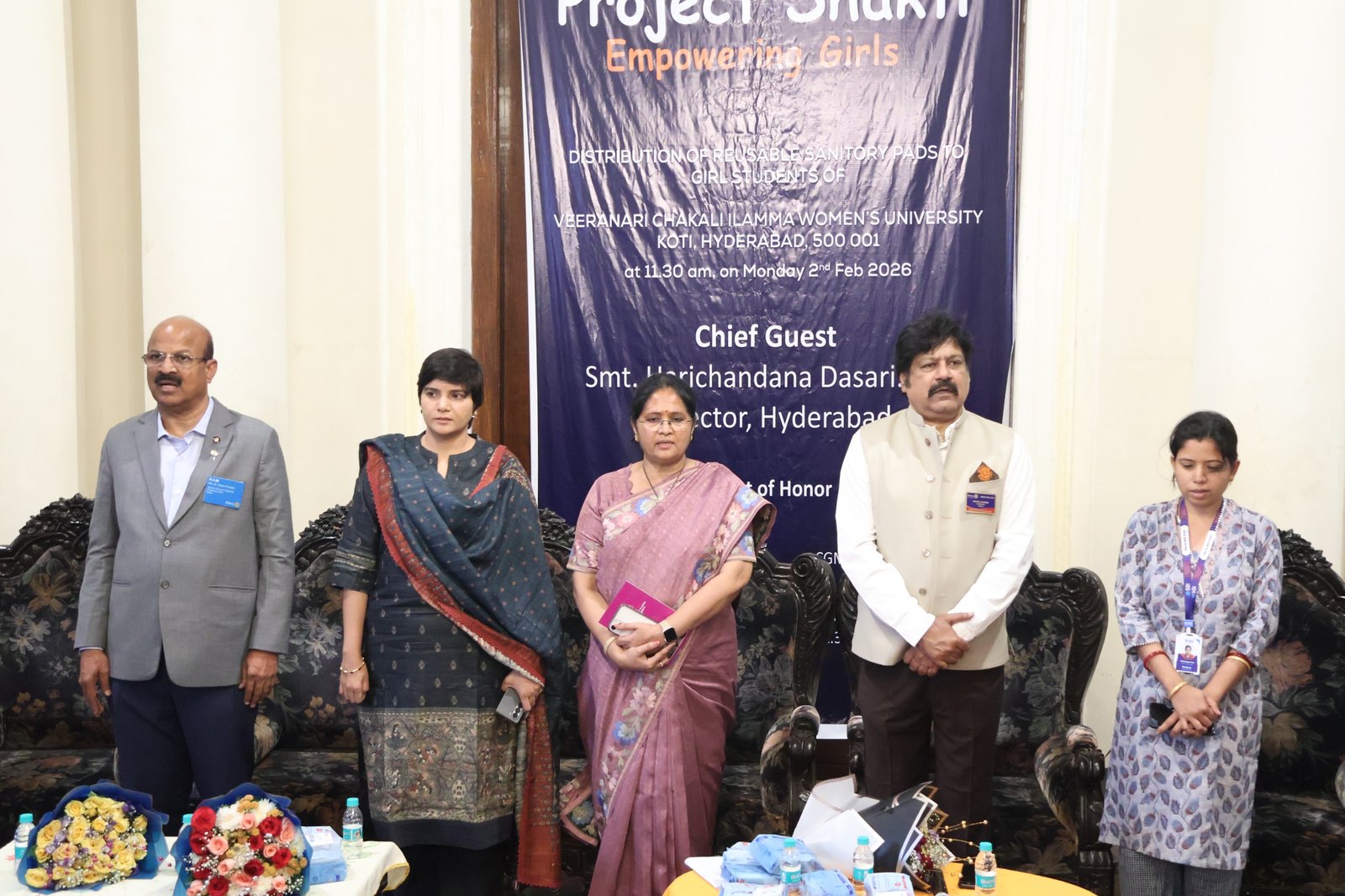
Hari Chandana Dasari launched innovative waste-to-wealth programs that empower women to turn recyclable waste into marketable products. These initiatives create income opportunities, promote environmental sustainability, and build entrepreneurial skills among women from low-income communities.
Tina Dabi has worked extensively on rural livelihood programs, especially for women in marginalized communities. Her efforts include supporting micro-enterprises, vocational training, and expanding access to education for girls, which directly improves literacy rates and employment opportunities.
Rajendra Bharud has focused on economic Empowerment for tribal women by introducing skill-based training, improving access to government welfare schemes, and connecting women’s products to broader markets. His programs aim to create sustainable income sources while preserving indigenous skills and traditions.
Pranjal Yadav has implemented large-scale skill development and digital literacy initiatives for rural women. These programs help participants gain employable skills, access online services, and explore entrepreneurial opportunities, reducing the digital divide in rural communities.
Gaurav Goyal has led legal awareness campaigns to educate women about their rights and entitlements under the law. Alongside these campaigns, he has promoted financial inclusion by linking women to formal banking systems, self-help groups, and microfinance programs.
M. Priyanka has strengthened community health systems by improving maternal care services, conducting health awareness drives, and increasing access to primary healthcare for women in rural areas. Her initiatives focus on reducing maternal mortality rates and enhancing overall health outcomes for women and children.
IAS officers adopt diverse strategies to advance women’s Empowerment, combining skill development, self-help group strengthening, education, health, safety, and legal awareness initiatives. They design models tailored to local conditions, integrate technology for efficient delivery, and promote collaborations with communities and partner organizations. These approaches ensure that programs address immediate needs while creating long-term opportunities for women’s economic and social advancement.
Skill Development and Livelihood Programs
IAS officers implement targeted training initiatives that equip women with market-relevant skills and connect them to income-generating opportunities. These programs include vocational training, entrepreneurship support, and linkage to microfinance or self-help groups, ensuring women can achieve financial independence and contribute to local economic growth.
Skill development programs aim to equip women with abilities that meet current market demands, enabling them to secure employment or start their enterprises. IAS officers design these initiatives to promote economic self-reliance, reduce dependency on informal or low-paying work, and enhance women’s long-term earning potential.
Officers identify sectors with high employment potential, such as tailoring, food processing, handicrafts, digital services, healthcare assistance, and agro-based industries. They collaborate with training centers, industry experts, and educational institutions to deliver structured courses that match local market needs. This ensures that the skills women acquire are directly relevant to available job opportunities or viable business ventures.
Skill development efforts are paired with financial inclusion measures. Women are linked to self-help groups, microfinance institutions, and government credit schemes to support business start-ups or scale existing operations. Officers also connect trained women to buyer networks, cooperatives, and e-commerce platforms to ensure sustainable income generation.
Programs are adapted to local socio-economic realities. In rural or conservative regions, training modules may be designed for home-based work or flexible hours. Special provisions are made for marginalized groups, including tribal women and women with disabilities, to ensure equal access to opportunities.
IAS officers track key indicators such as training completion rates, employment outcomes, and income growth among participants. Regular follow-ups help identify challenges, improve training quality, and refine market linkages. Successful models are documented and replicated in other districts with similar needs.
SHG (Self-Help Group) Strengthening
IAS officers work to strengthen self-help groups by improving access to credit, enhancing financial literacy, and building market linkages. They introduce training programs in entrepreneurship, bookkeeping, and product development, enabling women to manage group enterprises effectively. Strengthened SHGs become sustainable platforms for income generation, collective bargaining, and community-level decision-making.
Self-help groups are an essential platform for women to access financial resources, build collective bargaining power, and engage in community-led enterprises. Strengthening SHGs improves their capacity to function as sustainable economic and social units, enabling women to secure stable incomes and participate actively in local decision-making.
IAS officers link SHGs to microfinance institutions and government-supported credit programs, ensuring affordable loans for business activities, agriculture, or service-based ventures. They also streamline the process of obtaining credit by simplifying documentation and promoting timely loan disbursement.
To enhance financial transparency and accessibility, officers promote digital banking tools such as mobile banking apps, UPI-based transactions, and e-wallets. Training sessions help SHG members adopt these tools, enabling faster payments, better record-keeping, and reduced dependency on cash transactions.
IAS officers encourage SHGs to form cooperative structures for collective procurement, production, and marketing. This approach helps reduce costs, improve market reach, and strengthen the group’s negotiating power with buyers and suppliers. Cooperatives also provide a framework for scaling successful SHG enterprises across multiple districts.
Officers organize workshops on bookkeeping, business planning, quality control, and branding. These trainings improve SHG members’ ability to manage operations, maintain financial discipline, and ensure consistent product quality for wider market acceptance.
Performance tracking is done through regular audits, beneficiary surveys, and income assessments. Successful SHGs are provided with opportunities to participate in exhibitions, fairs, and online marketplaces, ensuring continued growth and visibility.
Education and Digital Literacy
IAS officers promote women’s education and digital literacy by improving access to schools, adult learning programs, and technology training. These initiatives focus on increasing female enrollment, reducing dropout rates, and equipping women with essential digital skills for employment, entrepreneurship, and access to online services.
IAS officers implement programs to improve school enrollment and retention rates for girls, focusing on reducing dropout rates due to economic hardship, early marriage, or lack of infrastructure. Efforts include building additional classrooms, providing transport facilities, and introducing scholarship schemes to encourage continued education.
For women who missed formal schooling, officers organize adult literacy programs and community learning centers. These initiatives help improve literacy, numeracy, and critical thinking skills, enabling women to engage more effectively in social and economic activities.
A key focus is on improving women’s access to technology. Officers establish community computer centers, mobile-based learning platforms, and digital training workshops to ensure women can operate smartphones, computers, and online services confidently. Special attention is given to regions where women have limited exposure to technology.
Officers work to remove barriers that prevent women from adopting digital tools, such as a lack of devices, low digital confidence, and restrictive social norms. This is achieved through subsidized device distribution, training programs tailored for beginners, and awareness campaigns on the benefits of digital skills for employment and entrepreneurship.
Educational and digital literacy programs are integrated with livelihood initiatives. Women trained in digital skills are connected to e-commerce, freelancing, online marketplaces, and digital marketing opportunities, ensuring their skills translate into economic benefits.
IAS officers track indicators such as literacy rates, the number of women trained in digital skills, and their subsequent employment or business growth. Feedback from participants is used to refine training modules and expand outreach to underserved communities.
Health and Nutrition Campaigns
IAS officers lead health and nutrition initiatives that focus on improving maternal care, reducing malnutrition, and increasing healthcare services for women and children. These campaigns include awareness drives, health camps, nutritional supplement distribution, and partnerships with healthcare providers to ensure long-term well-being in both rural and urban communities.
IAS officers implement targeted interventions to improve maternal health, with an emphasis on safe pregnancy, institutional deliveries, and postnatal care. Programs include regular antenatal check-ups, free distribution of essential medicines, and awareness drives on nutrition during pregnancy. Partnerships with healthcare workers and local clinics help ensure timely medical support, reducing maternal mortality rates.
Child health programs address immunization coverage, early detection of health issues, and prevention of malnutrition. Officers coordinate large-scale vaccination drives, establish growth monitoring centers, and introduce early childhood nutrition programs through Anganwadi centers and schools.
Nutrition campaigns focus on distributing fortified food, promoting dietary diversity, and educating families on balanced meals. Special initiatives target undernourished women and children in vulnerable communities, with regular health camps to monitor progress.
Officers strengthen the reach of national programs like the Integrated Child Development Services (ICDS) and the Poshan Abhiyaan by adapting them to local needs. This includes expanding the supply of take-home rations, providing supplementary nutrition, and integrating nutrition awareness with livelihood programs for women.
Community meetings, health rallies, and information sessions are organized to promote healthy practices and increase awareness about government health services. Women’s self-help groups are often involved in spreading health messages, ensuring better outreach in rural areas.
IAS officers track indicators such as maternal and infant mortality rates, immunization coverage, and nutritional status through regular surveys and field reports. Data analysis helps identify areas needing intensified efforts and ensures that resources are directed effectively.
Safety and Legal Empowerment
IAS officers strengthen women’s safety and legal Empowerment by improving access to legal aid, establishing women’s help desks, and promoting awareness of rights and laws. They work with police, legal services authorities, and community groups to address gender-based violence, ensure timely justice, and create safer public and workplace environments for women.
IAS officers support the creation and strengthening of women police stations to provide a safe and approachable environment for reporting crimes. Their presence encourages more women to come forward and seek justice without fear of intimidation or social stigma.
Officers set up and promote legal aid cells in alliance with the State Legal Services Authorities. These centers offer free legal advice, assistance in filing cases, and representation in court. Special outreach programs are conducted to ensure that women in rural and marginalized communities are aware of these services and can access them easily.
Public awareness campaigns are conducted to inform women about their legal rights under laws such as the Protection of Women from Domestic Violence Act, 2005, and the Sexual Harassment of Women at Workplace (Prevention, Prohibition and Redressal) Act, 2013. These drives use community meetings, media outreach, and school programs to educate both women and men on gender equality and legal protections.
IAS officers work closely with the police and judicial authorities to ensure prompt investigation and resolution of cases involving crimes against women. They monitor the efficiency of response mechanisms, including helplines and emergency services, and push for timely legal proceedings.
Women’s self-help groups, youth clubs, and local NGOs are engaged to promote safety awareness and create a network of community-based support. This community involvement strengthens vigilance, encourages reporting of incidents, and builds trust between citizens and authorities.
Metrics include the number of cases reported and resolved, legal aid utilization rates, and participation in awareness programs. Feedback is used to refine strategies and close any operational gaps.
Women empowerment initiatives led by IAS officers vary across states due to differences in cultural norms, economic conditions, and administrative priorities. Comparing these approaches highlights how localized strategies—ranging from entrepreneurship promotion in Telangana to maternal health programs in Tamil Nadu—address specific regional needs while contributing to the shared goal of gender equality.
In many North Indian states, IAS officers focus on addressing entrenched social barriers such as gender-based discrimination, low literacy rates among women, and limited workforce participation. Initiatives often emphasize:
The approach in these states often requires overcoming restrictive cultural norms while building community trust to ensure program participation.
South Indian states typically show higher female literacy rates and better health outcomes, allowing IAS officers to prioritize economic empowerment and leadership opportunities. Common strategies include:
With comparatively stronger baseline indicators, officers in South India often focus on scaling up advanced programs rather than addressing foundational gaps.
While both regions share the overarching goal of women’s Empowerment, the focus areas differ based on socio-economic realities. North India often prioritizes foundational interventions such as literacy, safety, and basic healthcare, whereas South India invests more in economic advancement, technology adoption, and leadership development. In both contexts, the ability of IAS officers to adapt strategies to local needs is a decisive factor in achieving measurable outcomes.
State-Specific Innovations
IAS officers design women’s Empowerment initiatives that reflect each state’s unique socio-economic conditions and cultural context. These innovations range from eco-friendly entrepreneurship programs in Telangana to digital skill hubs in Kerala and nutrition-focused interventions in Tamil Nadu, ensuring solutions are locally relevant and produce measurable impact.
Cultural traditions and social norms often determine how women participate in empowerment programs. In states where conservative attitudes limit women’s public engagement, IAS officers design home-based livelihood options, women-only training centers, and community awareness campaigns to encourage gradual participation. In contrast, states with more inclusive cultural environments may focus on leadership roles for women in governance, entrepreneurship, and public service.
The economic structure of a state influences the type of livelihood programs implemented. In agrarian states, officers integrate women into agricultural value chains, agri-processing units, and allied activities like dairy farming. In industrial or service-oriented states, the focus shifts to manufacturing skills, technology training, and linking women to formal employment opportunities. Access to financial services, credit schemes, and markets is tailored to match the dominant economic activities in the region.
Geography shapes both the challenges and opportunities for women’s Empowerment. In remote or hilly areas, IAS officers prioritize mobile training units, digital education platforms, and decentralized health services to overcome access barriers. In coastal regions, livelihood initiatives may center on fisheries, marine products, and eco-tourism. At the same time, in drought-prone areas, water conservation and climate-resilient farming become integral parts of empowerment programs.
Practical state-specific innovations combine cultural sensitivity, economic relevance, and geographic practicality. IAS officers assess local realities through field surveys and community consultations, then design interventions that are practical, inclusive, and sustainable. This adaptability ensures that programs resonate with local communities and deliver measurable improvements in women’s socio-economic status.
Scalability Potential of Successful District-Level Models to Other States
IAS officers assess and replicate district-level women empowerment models that show strong results, adapting them to the cultural, economic, and administrative conditions of other states. This approach allows proven initiatives—such as skill development programs, SHG-based enterprises, and health interventions—to expand their reach and benefit larger populations while maintaining local relevance.
IAS officers identify district-level women Empowerment initiatives that demonstrate measurable success, such as improved literacy rates, increased income for women-led enterprises, or reduced maternal mortality. Selection is based on clear performance indicators, community acceptance, and cost-effectiveness.
Before replication, officers assess cultural, economic, and administrative differences between the originating district and the target state. Program components are modified to fit local realities. For example, a rural craft-based SHG model from Rajasthan may be adapted in another state to focus on region-specific products, materials, and market demands.
Scaling requires strong coordination between state governments, district administrations, and community stakeholders. IAS officers secure political backing, align funding from central and state schemes, and engage local leaders to promote acceptance and participation.
Public–private partnerships, NGOs, and industry associations are often involved in expanding successful models. Their role includes providing technical expertise, market access, and capacity-building support, ensuring that scaled projects maintain quality and sustainability.
During expansion, officers set up monitoring frameworks to track key performance indicators, gather beneficiary feedback, and identify operational challenges. Lessons learned from the initial roll-out are applied to improve subsequent phases, ensuring the model’s relevance and long-term impact in diverse settings.
A successful digital literacy program for rural women in Kerala can be adapted in a state like Bihar by adjusting training content to address lower baseline literacy levels, providing offline learning options, and integrating local languages into the curriculum.
IAS officers face multiple challenges in advancing women’s Empowerment, including resistance from entrenched social norms, limited financial and human resources, and the need for coordination among diverse stakeholders. They must also address data gaps, measure qualitative outcomes like confidence and leadership, and adapt strategies to overcome regional and cultural barriers.
Many regions continue to follow customs and beliefs that limit women’s participation in education, employment, and leadership roles. IAS officers must work to change attitudes through awareness campaigns, community engagement, and inclusive policy implementation. Overcoming these barriers often requires persistent effort and the involvement of local influencers to build acceptance for women-focused programs.
Limited budgets and competing development priorities can restrict the scope of women’s empowerment initiatives. Officers need to optimize available resources, identify alternative funding sources, and ensure efficient spending. In some cases, they collaborate with NGOs, private enterprises, and donor agencies to supplement government funding.
Women empowerment programs involve various stakeholders, including state agencies, local administrations, NGOs, and private sector partners. Differences in priorities, timelines, and operational methods can slow progress. IAS officers must ensure clear communication, define responsibilities, and create a shared implementation framework to maintain efficiency.
While quantitative indicators like literacy rates and employment figures are easier to track, qualitative outcomes such as confidence, decision-making ability, and community leadership are harder to measure. Officers use surveys, focus group discussions, and participatory assessments to evaluate these softer aspects of Empowerment, ensuring programs address both measurable and intangible goals.
IAS officers use technology and digital governance to improve the reach, efficiency, and transparency of women empowerment programs. Tools such as mobile applications, digital dashboards, GIS mapping, and online training platforms help monitor progress, deliver services, and connect women to education, healthcare, markets, and legal resources in real time.
IAS officers use AI-powered tools and data analytics to track the implementation and outcomes of women-focused initiatives. These systems process large datasets from health, education, and social welfare departments to identify gaps, measure progress, and forecast needs. Predictive analytics helps target resources to areas where intervention can have the most significant impact, ensuring timely and efficient delivery of benefits.
Dedicated mobile applications and 24/7 helplines provide women with a direct channel to report harassment, domestic violence, or service-related grievances. IAS officers oversee the integration of these platforms with emergency response systems, police networks, and legal aid services. Many apps also offer real-time case tracking, enabling transparency and faster resolution of complaints.
Digital platforms connect women entrepreneurs and self-help groups to buyers across local, national, and international markets. IAS officers promote participation by providing training in e-commerce operations, digital payments, and product marketing. These marketplaces expand income opportunities, reduce reliance on intermediaries, and encourage women to engage in competitive business sectors.
By combining advanced monitoring tools, accessible reporting systems, and market-oriented digital solutions, IAS officers enhance the reach and impact of women empowerment programs.
IAS officers measure the success of women empowerment missions using both quantitative indicators—such as literacy rates, income growth, and health improvements—and qualitative measures like confidence, leadership, and decision-making ability. Continuous monitoring, beneficiary feedback, and third-party evaluations ensure programs remain effective, accountable, and responsive to women’s needs.
IAS officers track measurable indicators to assess the outcomes of women empowerment programs. These include improvements in female literacy rates, increases in household income for women-led families, and better health outcomes like reduced maternal mortality and higher immunization coverage. Regular data collection allows officers to identify trends, measure progress against targets, and allocate resources where they are most needed.
Alongside measurable data, officers evaluate intangible outcomes such as women’s participation in leadership roles, their decision-making influence within households, and their active engagement in community affairs. These indicators reflect the social and cultural shifts brought about by empowerment initiatives. Methods such as focus group discussions, beneficiary interviews, and participatory assessments help capture these qualitative changes.
Independent evaluations by NGOs, research organizations, and audit bodies provide objective assessments of program effectiveness. These external reviews validate government-reported outcomes, identify operational strengths and weaknesses, and recommend improvements. Incorporating third-party findings ensures transparency, strengthens accountability, and builds public trust in the initiatives.
The future roadmap for IAS-led women empowerment focuses on expanding policy integration across sectors, leveraging technology for real-time governance, and strengthening economic opportunities for women. It emphasizes scaling successful local models, addressing persistent social barriers, and building leadership pipelines so women can play active roles in governance, entrepreneurship, and community development.
Over the next ten years, IAS officers can drive women’s Empowerment by embedding gender equality objectives into all stages of policy planning, budgeting, and implementation. This includes mandating gender impact assessments for new programs, increasing budget allocations for women-focused initiatives, and integrating women’s representation into decision-making bodies at the state and district levels.
Climate resilience programs should address women’s roles in sustainable agriculture, renewable energy adoption, and disaster risk management, ensuring they have equal access to resources and training. Urban planning must incorporate gender-sensitive infrastructure such as safe public transport, well-lit streets, and accessible childcare facilities. In technology adoption, priority should be given to expanding women’s access to digital tools, STEM education, and tech-based entrepreneurship opportunities, supported by targeted training and financing.
IAS officers can create structured pathways for women to take on leadership roles in governance, community organizations, and business networks. This involves mentorship programs, specialized leadership training, and opportunities for women to participate in policy design and monitoring. Encouraging women’s representation in local bodies, advisory boards, and state-level committees will ensure diverse perspectives in governance and long-term policy sustainability.
IAS officers have played a decisive role in shaping and implementing women empowerment initiatives that address education, health, livelihood, safety, and leadership development. Their ability to combine policy execution with community engagement has transformed many localized programs into sustainable models of social and economic change. By tailoring interventions to cultural, financial, and geographic contexts, they ensure that empowerment efforts are both relevant and impactful.
To build on these achievements, it is essential to support, replicate, and adapt successful district-level models across different states. This requires a collaborative approach that brings together government departments, private sector partners, civil society organizations, and local communities. Sharing best practices, standardizing successful frameworks, and ensuring adequate resources will allow proven initiatives to reach more women and deliver measurable outcomes nationwide.
The vision for a gender-equal India rests on sustained administrative commitment, continuous innovation, and an unwavering focus on inclusion. With structured policy support, technology-enabled governance, and a strong leadership pipeline for women, IAS officers can lead the country toward a future where gender equality is embedded in governance and reflected in every aspect of social and economic life. This is not only a governance goal but a national priority that will strengthen India’s growth and development in the decades ahead.
What Role Do IAS Officers Play In Women’s Empowerment In India?
IAS officers design, implement, and monitor policies and programs that promote women’s education, health, economic participation, safety, and leadership at the state and district levels.
How Do IAS Officers Adapt Women’s Empowerment Policies To Local Needs?
They customize initiatives based on regional socio-economic, cultural, and geographic factors, ensuring that programs are relevant and practical for the target communities.
What Are Some Key Laws Protecting Women’s Rights In India?
Important laws include the Protection of Women from Domestic Violence Act, 2005, and the Sexual Harassment of Women at Workplace Act, 2013.
What Government Schemes Focus On Women’s Empowerment?
Major schemes include Beti Bachao Beti Padhao, Mission Shakti, and Mahila E-Haat, addressing education, safety, economic Empowerment, and entrepreneurship.
Can You Give Examples Of IAS Officers Leading Notable Women Empowerment Initiatives?
Examples include Smita Sabharwal’s SHG transformation in Telangana, Hari Chandana Dasari’s waste-to-wealth programs, and Tina Dabi’s rural livelihood projects in Rajasthan.
What Strategies Do IAS Officers Use For Women’s Empowerment?
They employ strategies such as skill development, SHG strengthening, education and digital literacy programs, health and nutrition campaigns, and safety and legal empowerment measures.
How Do IAS Officers Promote Skill Development Among Women?
They link women to market-oriented vocational training, financial services, and market access to create sustainable livelihood opportunities.
What Is The Role Of SHGs in women’s Empowerment?
SHGs provide a platform for women to access microfinance, digital banking, cooperative business models, and entrepreneurship training.
How Do IAS Officers Improve Women’s Digital Literacy?
They set up community learning centers, conduct technology training workshops, and ensure women have access to digital devices and online services.
What Kind Of Health And Nutrition Programs Are Led By IAS Officers?
Programs include maternal and child health interventions, nutritional supplement distribution, health camps, and awareness campaigns on preventive healthcare.
How Do IAS Officers Address Women’s Safety And Legal Empowerment?
They establish women police stations, legal aid cells, and conduct rights-awareness drives, while ensuring coordination between law enforcement and judicial bodies.
How Do Empowerment Strategies Differ Between North And South India?
North India often focuses on foundational needs like literacy, safety, and basic healthcare, while South India emphasizes entrepreneurship, technology adoption, and advanced healthcare services.
What Factors Influence State-Specific Innovations?
Cultural norms, economic structures, and geographic conditions shape program design, from home-based work in conservative areas to coastal livelihood initiatives in shoreline states.
How Are Successful District-Level Models Scaled To Other States?
IAS officers adapt proven programs to local conditions, secure administrative and community support, and partner with public and private entities for expansion.
What Challenges Do IAS Officers Face In Women’s Empowerment Missions?
Challenges include resistance to traditional norms, limited resources, complex stakeholder coordination, and difficulty measuring qualitative impacts such as confidence and leadership.
How is technology used in women’s Empowerment Programs?
Technology supports AI-based monitoring, mobile reporting apps, digital helplines, and online marketplaces for women entrepreneurs.
How Do IAS Officers Measure The Impact Of Empowerment Programs?
They track quantitative data such as literacy rates and income levels, qualitative indicators like leadership roles, and conduct third-party evaluations for independent verification.
What Is The Future Roadmap For IAS-led women’s Empowerment?
The roadmap includes integrating gender equity into all policy areas, expanding technology adoption, scaling successful models, and building leadership pipelines for women in governance.