04
March
How Public Policy Influences Governance Roles of IAS Officers

In the landscape of modern governance, the role of civil servants is undergoing a significant transformation. Traditionally viewed as policy enforcers and administrators bound by rigid bureaucratic protocols, today’s civil servants are increasingly recognized as proactive leaders, problem solvers, and catalysts of grassroots innovation. This shift reflects the growing demand for agile governance that responds quickly to local challenges, harnesses community participation, and leverages technology for improved service delivery. Civil servants are now expected not only to execute central and state-level directives but also to adapt them creatively to local needs and contexts.
Among the different tiers of government, district-level administration holds unique importance. Districts act as the nerve centers of governance where policies meet people. It is here that abstract schemes translate into concrete services—healthcare facilities, school systems, clean drinking water, housing, public welfare, and disaster management. The District Magistrate or Collector, often an IAS officer, serves as the linchpin, coordinating across departments, mediating between citizens and government, and ensuring that resources are distributed fairly and effectively. Their decisions directly affect millions of lives, making the district administration a critical site for governance outcomes.
This article aims to highlight how civil servants, especially at the district level, are emerging as change agents in India’s development journey. Through real-life examples, strategic interventions, and grassroots leadership, they are addressing complex problems such as rural poverty, education inequality, digital access, climate vulnerability, and urban planning. Far from being passive functionaries, these administrators are deploying data, building partnerships, and mobilizing communities to drive inclusive and sustainable change. The following sections will delve into their methods, achievements, and the systemic challenges they navigate in the process of nation-building from the ground up.
District-level civil servants, particularly IAS officers serving as District Magistrates or Collectors, play a pivotal role in bridging national policies with local realities. As the administrative heads of their regions, they coordinate multiple departments, oversee development programs, and ensure law and order. Their strategic position allows them to influence outcomes in health, education, infrastructure, agriculture, and welfare delivery. Beyond implementation, they adapt policies to suit local needs, resolve interdepartmental conflicts, and act as the face of governance for the community—making them essential drivers of grassroots transformation.
At the district level, the primary civil service roles are typically held by the District Magistrate (DM) or Collector, and the Superintendent of Police (SP). The DM or Collector, usually an officer from the Indian Administrative Service (IAS), serves as the chief executive of the district. Their responsibilities span revenue administration, coordination of development programs, disaster management, land acquisition, and the enforcement of government schemes. The DM is also responsible for maintaining law and order in collaboration with the SP.
The SP, a senior Indian Police Service (IPS) officer, oversees policing and internal security. They supervise crime prevention, law enforcement, and emergency response. Together, the DM and SP form the executive and enforcement arms of the district, working in tandem to deliver essential services and uphold stability.
Civil servants at the district level serve as the implementation layer of state and national policies. They translate broad directives into region-specific action. Their position enables them to adapt policies based on local socio-economic, geographic, and cultural conditions, ensuring outcomes that are relevant and effective.
For example, a centrally designed health program may require local adjustments in tribal or rural areas. In such cases, the DM assesses ground realities, reallocates district resources, and coordinates across health, education, and rural development departments to ensure practical execution. This ability to operationalize policy in context is central to their effectiveness.
Additionally, civil servants must ensure interdepartmental coordination, monitor program delivery, and respond to citizen grievances. They engage with elected representatives, community leaders, and external partners to drive outcomes. The state government regularly reviews its work, and it must balance political expectations with administrative integrity.
The role of district-level civil servants in India has changed significantly since colonial times. During British rule, District Collectors were instruments of revenue extraction and administrative control, operating under a centralized, top-down model. Their primary focus was on maintaining order and collecting land revenue.
Post-independence, the role expanded to include development administration. Civil servants became responsible for implementing welfare schemes, expanding public services, and supporting democratic governance. Over the decades, the expectation shifted from mere compliance with state instructions to local problem-solving, innovation, and leadership.
Today, civil servants are expected to drive systemic change at the grassroots level. Many officers use data analytics, digital tools, and public feedback to improve service delivery. Others lead collaborative projects with civil society and private actors. This evolution reflects a broader change in public expectations, where administrators are seen not just as rule enforcers but as public leaders capable of addressing complex challenges.
District-level civil servants influence a wide range of governance areas that directly affect citizens’ lives. Their interventions span social welfare, healthcare, education, agriculture, disaster response, urban planning, digital governance, and environmental management. By coordinating programs, adapting policies to local needs, and engaging with diverse stakeholders, these administrators ensure effective service delivery and drive measurable improvements across sectors. Their role is not limited to enforcement—they often introduce innovative solutions to address regional challenges, demonstrating leadership that shapes local development outcomes.
Civil servants play a central role in ensuring that welfare schemes reach marginalized communities effectively. They manage the delivery of essential services like food distribution, direct benefit transfers, and social pensions. Their efforts support Scheduled Caste and Scheduled Tribe communities through education, housing, and livelihood programs, while also advancing disability inclusion and women’s empowerment. By monitoring implementation, resolving local challenges, and engaging with communities, these officers help translate constitutional rights into practical outcomes at the grassroots level.
Civil servants at the district level are directly responsible for the delivery of essential welfare services, including the Public Distribution System (PDS) and Direct Benefit Transfer (DBT) schemes. They oversee the accurate identification of beneficiaries, monitor food grain supply chains, and ensure the timely disbursement of financial support to eligible households. Officers frequently conduct audits, verify beneficiary databases, and use digital tools such as Aadhaar-based authentication and e-POS devices to reduce duplication and leakage. Their active supervision helps maintain accountability and transparency in welfare distribution, especially in rural and economically disadvantaged regions.
District administrators are the primary agents in executing welfare programs targeted at Scheduled Castes (SCs) and Scheduled Tribes (STs). These programs include access to scholarships, residential schools, livelihood training, and housing assistance. Civil servants coordinate with line departments, monitor fund utilization, and resolve administrative delays that often hinder access. They also conduct community outreach to improve awareness of available schemes and address social discrimination through legal and educational interventions. Their role is central in ensuring that constitutional protections translate into real social progress at the community level.
Civil servants implement and monitor programs designed to support persons with disabilities, including disability pensions, assistive device distribution, and accessible infrastructure in public offices and schools. Many officers collaborate with local NGOs and healthcare providers to identify eligible individuals and expand support services.
By addressing structural inequalities through targeted service delivery, district-level civil servants strengthen the welfare architecture of the state. Their interventions not only improve access to public goods but also reinforce the principles of equity and dignity in daily governance.
District-level civil servants are instrumental in strengthening public health and education systems. They oversee the operation of primary health centers, vaccination campaigns, and maternal care programs, often coordinating with NGOs and state health departments to improve access and infrastructure. In education, they work to reduce dropout rates, upgrade school facilities, and introduce digital learning tools. By adapting policies to local needs and monitoring implementation closely, civil servants ensure that essential health and education services reach underserved populations and contribute to long-term human development.
Civil servants play a significant role in managing district health infrastructure, particularly through the operational oversight of Primary Health Centres (PHCs). They assess gaps in service delivery, supervise staff deployment, and initiate repairs or upgrades to facilities. Many officers prioritize preventive healthcare, maternal health, and child nutrition programs based on local data. During the COVID-19 pandemic, their leadership became even more visible. Officers organized mass vaccination drives, set up testing centers, and coordinated with frontline health workers to control the spread of infection. They also managed quarantine facilities, ensured the supply of oxygen and medical equipment, and addressed vaccine hesitancy through community engagement.
In education, district administrators are responsible for maintaining government schools, appointing teachers, and improving learning outcomes. They address infrastructure issues such as classroom shortages, lack of sanitation, and unsafe buildings. Officers may introduce incentives such as bicycles, uniforms, and midday meals, or run awareness campaigns with community leaders to encourage school attendance. In recent years, many districts have introduced digital classrooms and innovative learning tools. These efforts aim to improve student engagement and bridge learning gaps, especially in rural areas.
To expand the reach and quality of education, several civil servants have partnered with non-governmental organizations and technology firms. These collaborations bring in curated e-learning modules, tablets, and audio-visual content to supplement traditional instruction. In some districts, public-private partnerships have led to the creation of centralized digital libraries and mobile learning vans. Officers also track usage and performance data to evaluate effectiveness and make course corrections. These initiatives are especially beneficial in remote areas where teacher availability is limited and student performance levels remain below state averages.
By investing in health and education systems at the local level, civil servants improve long-term development outcomes. Their administrative coordination, resource planning, and ability to adapt programs to specific needs ensure that essential public services function efficiently and equitably.
Civil servants play a key role in advancing rural livelihoods and improving agricultural productivity. They oversee the implementation of employment schemes like MNREGA, promote watershed and irrigation projects, and support farmer-producer organizations. By digitizing land records, facilitating crop insurance, and providing timely advisories, they help reduce risk and improve income security for farmers. Their interventions often include coordinating with local cooperatives, leveraging technology for soil and crop health monitoring, and strengthening rural infrastructure to boost economic activity in underserved areas.
Civil servants at the district level are responsible for the execution and monitoring of the Mahatma Gandhi National Rural Employment Guarantee Act (MNREGA). They ensure that job cards are issued, work sites are verified, payments are processed on time, and social audits are conducted regularly. Many officers introduce innovations to link MNREGA with durable community assets such as rural roads, check dams, and irrigation canals. In water-stressed areas, administrators lead watershed development efforts, including contour trenching, percolation tanks, and soil conservation activities.
To improve agricultural productivity and farmer incomes, district administrations organize farmer training programs and technical advisory sessions. Officers collaborate with agrarian universities, Krishi Vigyan Kendras, and local extension workers to share best practices on crop rotation, pest control, seed selection, and market linkages. In recent years, many civil servants have supported the formation of Farmer-Producer Organizations (FPOs) to enable collective bargaining, direct market access, and input cost reduction. These FPOs often receive assistance in business planning, financial literacy, and registration, making them more sustainable in the long term.
District officials oversee the digitization of land records to reduce disputes, ensure transparency, and improve access to agricultural credit. They coordinate land surveys, resolve ownership conflicts, and update records through online portals. This digital infrastructure plays a key role in enabling crop insurance, as accurate land data is essential for verification and claim processing. In cases of crop failure, they assess damage and coordinate timely settlement of claims through ground verification and satellite imagery tools.
By combining administrative coordination with targeted rural development programs, civil servants improve both agricultural resilience and rural livelihoods. Their efforts address immediate needs such as employment and credit access, while also laying the foundation for long-term structural improvements in farming systems.
District-level civil servants play a frontline role in preparing for, managing, and recovering from disasters. They coordinate early warning systems, oversee evacuation and relief efforts, and ensure the timely distribution of essential supplies. Whether responding to floods, droughts, pandemics, or industrial accidents, their decisions impact public safety and recovery outcomes. Civil servants also engage with disaster response forces, health departments, and local volunteers to implement contingency plans and restore normalcy. Their ability to act quickly, manage resources, and communicate is central to effective crisis response at the regional level.
Civil servants are the first line of administrative response during natural and public health emergencies. During floods, they coordinate evacuation efforts, monitor river and reservoir levels, and ensure the safe relocation of affected populations. In the case of pandemics, such as COVID-19, district officials oversee testing, contact tracing, isolation centers, vaccine distribution, and hospital preparedness. During droughts, they implement water rationing measures, arrange tanker supplies, and support farmers with relief packages and employment under MNREGA. Their decisions directly influence survival, recovery, and the speed at which services are restored.
Effective disaster response requires continuous coordination with multiple agencies. District-level officers work in real time with State Disaster Response Forces (SDRF), fire departments, health officials, and revenue staff. They conduct joint drills, assess high-risk zones, and implement district-level disaster management plans. During emergencies, they chair control rooms and brief the press and public on actions being taken. This coordination ensures that resources such as boats, rescue teams, and relief materials are deployed efficiently. Officers also work closely with police and local defense units when required to secure the area and manage crowds.
District administrations increasingly use digital tools to improve early warning systems and real-time decision-making. Officers monitor weather alerts from agencies like the Indian Meteorological Department (IMD) and issue SMS-based warnings to residents. In flood-prone areas, automated sensors are installed along riverbanks to monitor rising water levels. During the COVID-19 pandemic, many districts launched dashboards to track cases, bed availability, and oxygen supply in hospitals. Civil servants also deploy drone surveillance, GPS mapping, and mobile apps to assess damage, track relief distribution, and manage logistics. These tools improve accuracy, speed up response, and enhance public trust in administration.
Through timely planning, coordination, and the use of data-driven systems, district civil servants reduce risk and manage the human and economic impact of crises. Their role remains essential in ensuring that disaster response is organized, accountable, and responsive to local needs.
District-level civil servants are using technology to make public services more accessible, efficient, and accountable. They implement e-governance platforms, mobile applications, and digital grievance redressal systems that allow citizens to access information and file complaints without bureaucratic delays. Officers monitor progress through real-time dashboards, conduct digital audits, and promote data transparency. These efforts reduce manual intervention, improve service delivery, and build public trust by making administrative processes visible and verifiable.
District administrations across India are adopting digital systems to streamline official work and improve public access to services. E-office platforms help civil servants manage files, approvals, and communication with greater speed and accuracy. By digitizing workflows, officers reduce delays, limit physical paperwork, and ensure better record-keeping. Many districts also develop mobile applications that allow residents to access government services, apply for documents, and track applications. These apps are especially useful in rural or remote areas where physical visits to government offices are costly or impractical. By reducing in-person dependency, these tools promote administrative efficiency and facilitate opportunities for corruption.
Civil servants oversee the design and maintenance of public grievance portals that allow residents to report issues related to services, infrastructure, and welfare delivery. These systems are structured to ensure time-bound resolution, often monitored directly by the District Magistrate. Citizens can file complaints through apps, websites, or physical grievance cells. In addition, officers increasingly rely on structured feedback tools such as IVR surveys, SMS polls, and WhatsApp hotlines to track satisfaction levels and identify areas needing improvement. These mechanisms create accountability and offer residents a direct line of communication with district authorities.
Transparency improves when officials publish service data and program performance metrics in real time. Many districts now use dashboards to track fund usage, beneficiary coverage, health indicators, school attendance, and service delivery timelines. These dashboards are accessible to officials and, in some cases, the public. Civil servants also conduct social audits to verify that publicly funded projects deliver what they promise. These audits involve local communities, auditors, and NGOs in inspecting records, visiting project sites, and ensuring that expenditures match actual outcomes. The presence of an audit trail deters misuse and strengthens trust in government action.
District-level civil servants who prioritize digital tools improve governance outcomes by increasing visibility, cutting delays, and responding more effectively to public needs. Their leadership in adopting and managing these technologies supports cleaner, faster, and more citizen-responsive administration.
Civil servants contribute to urban development by managing infrastructure projects, regulating land use, and improving basic services. They oversee housing schemes, public transport systems, roadworks, and sanitation facilities. By coordinating with municipal bodies, engineering departments, and private contractors, they ensure that urban plans are implemented effectively and meet local needs. Their role also includes resolving land disputes, monitoring construction quality, and enforcing building regulations. Through targeted planning and supervision, civil servants help shape cities that are more organized, accessible, and responsive to growing populations.
Civil servants contribute to urban modernization by implementing innovative city projects tailored to local needs. These projects often include digitized public services, intelligent traffic management, surveillance systems, waste tracking, and energy-efficient street lighting. District officers coordinate with urban local bodies, technical consultants, and IT partners to develop and execute city-level plans. In the area of transport, they oversee road expansion, bus network upgrades, traffic decongestion measures, and last-mile connectivity improvements. Their role includes planning, monitoring implementation timelines, and ensuring that urban mobility projects serve residents effectively, especially in high-density or underserved areas.
District administrations actively work on improving living conditions in informal settlements. Officers identify eligible beneficiaries, manage surveys, and coordinate with housing boards for the construction of low-cost housing units. In many cases, they oversee slum clearance or in-situ redevelopment projects, ensuring that relocation is managed without loss of livelihoods or basic amenities. They also monitor compliance with safety and construction standards, resolve legal hurdles related to land tenure, and promote access to clean water, sanitation, and power in urban housing schemes. By enforcing transparency in beneficiary selection and project execution, civil servants help prevent exclusion and misallocation.
To improve service delivery and reduce the financial burden on the state, many districts pursue public-private partnerships (PPPs) for infrastructure development. Civil servants design concession agreements, select vendors through transparent bidding, and monitor ongoing contracts to ensure adherence to quality and timelines. These partnerships cover a range of services, including solid waste management, bus operations, street vending zones, and digital infrastructure. Officers act as the interface between private contractors and public expectations, ensuring that commercial interests do not compromise service standards or affordability. In smaller cities, these efforts are often key to delivering capital-intensive projects with limited public funds.
Through careful planning, multi-agency coordination, and structured implementation, district-level civil servants support the orderly growth of urban areas. Their role in infrastructure planning ensures that urban development is not only functional but also inclusive and responsive to future needs.
District-level civil servants address environmental challenges through targeted conservation and resource management efforts. They lead afforestation drives, enforce plastic bans, and oversee waste management systems. Officers also manage water conservation projects, including the rejuvenation of lakes and rivers, and promote sustainable practices such as organic farming and eco-tourism. By coordinating with local communities, technical experts, and government agencies, civil servants implement policies that balance development with environmental responsibility. Their actions contribute to long-term ecological stability and resource security at the local level.
District civil servants lead several environmental protection activities, starting with afforestation efforts through organized tree plantation drives. These are often carried out on degraded land, along highways, and in public institutions such as schools and hospitals. Officers engage local communities, schools, and self-help groups to ensure long-term care and monitoring of the plantations.
To curb pollution, many district administrations enforce plastic bans through market inspections, penalties, and awareness campaigns. Civil servants monitor compliance by retailers and vendors, coordinate with municipal bodies to promote alternatives, and track plastic waste disposal.
Waste management has also become a central focus. Officers oversee the collection, segregation, and disposal of solid waste. They initiate decentralized composting, bio-methanation units, and formalize systems for waste pickers. In urban and semi-urban areas, district leaders often collaborate with local bodies and contractors to design and supervise waste treatment facilities.
Civil servants play a key role in protecting and restoring water bodies. They coordinate desilting efforts, build check dams, restore feeder channels, and prevent encroachments on lake and river beds. In many districts, officials map and document local tanks and ponds, update revenue records, and mobilize funds for conservation projects.
Rainwater harvesting systems in public buildings, rooftop collection systems in government schools, and farm-level water conservation practices are also promoted under district-level programs. Officers supervise implementation and track seasonal water availability, particularly in drought-prone areas.
Rejuvenation projects often involve both civil engineering and community engagement components. Civil servants work with local panchayats, engineers, and citizen volunteers to ensure sustainable maintenance after physical restoration.
To balance environmental protection with income generation, civil servants encourage practices that are ecologically responsible and economically viable. In forested or hilly regions, they support the development of eco-tourism by identifying scenic locations, improving basic infrastructure, and training local youth as guides or homestay operators.
Officers also promote organic farming by organizing awareness campaigns, supporting certification processes, and linking farmers with organic markets. Some districts develop brand identities for local produce and facilitate tie-ups with buyers and cooperatives. These efforts reduce the chemical load on soil and water systems while creating differentiated markets for farmers.
By integrating ecological management with livelihood planning, district administrators make sustainability a core component of local governance. Their ability to enforce regulation, design adaptive programs, and collaborate with communities positions them as critical agents in addressing environmental challenges.
District-level civil servants are increasingly adopting flexible leadership styles and context-specific innovations to address complex governance challenges. Many move beyond standard procedures to introduce data-driven decision-making, behavioral interventions, and locally designed solutions. By engaging with citizens, forming partnerships, and customizing service delivery, they adapt governance models to local needs. Their leadership combines administrative authority with problem-solving, enabling faster responses and more sustainable outcomes across sectors like health, education, and environment.
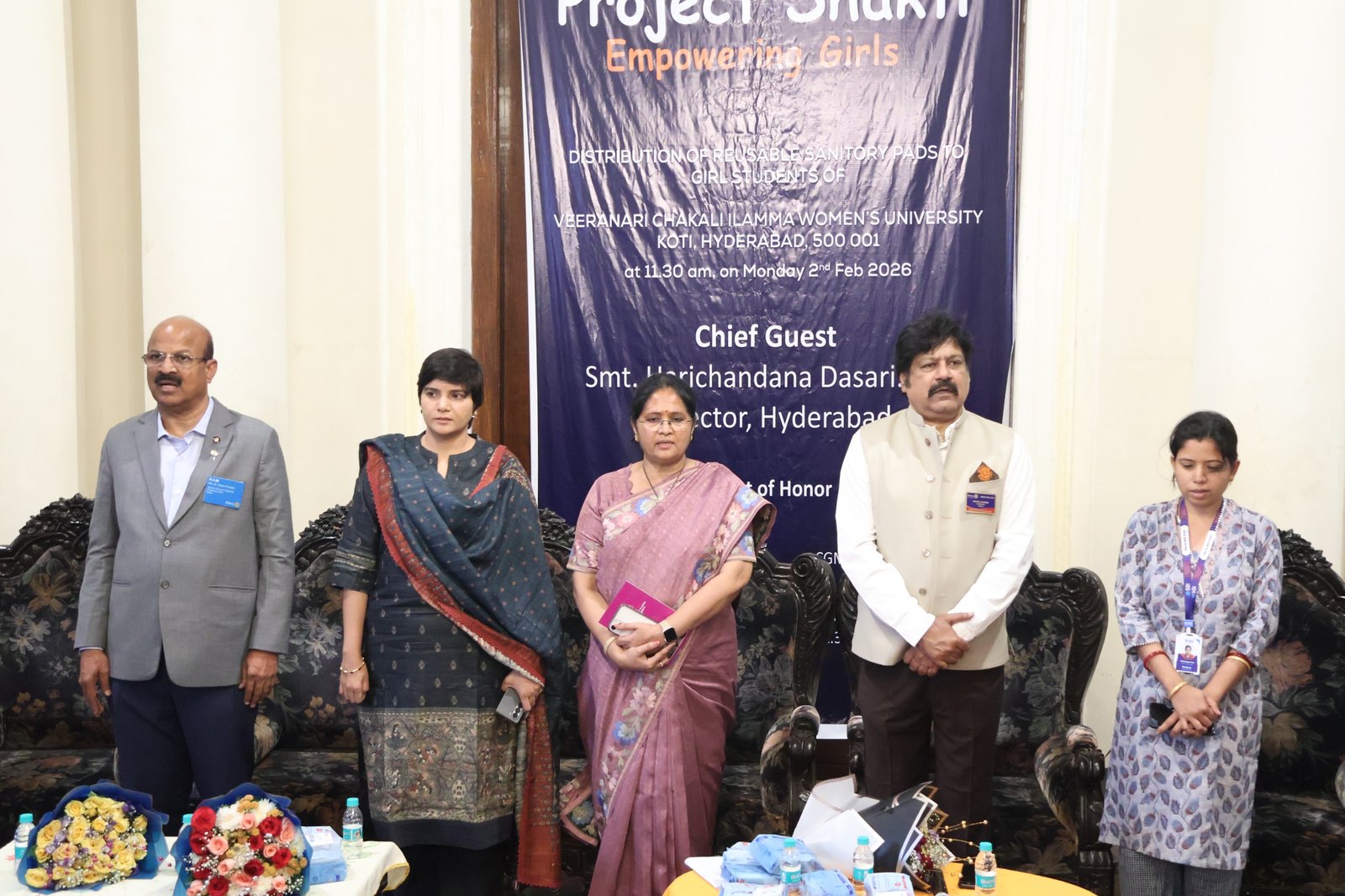
Several civil servants have demonstrated results through adaptive leadership and innovative thinking. For instance, Harichandana Dasari, an IAS officer from Telangana, promoted circular economy practices by launching plastic buyback centers and converting waste into construction material. Armstrong Pame, known as the “People’s Collector,” crowdsourced funds and support to build a 100-kilometer road in a remote part of Manipur without waiting for government funding. Raj Yadav, in Gujarat, introduced integrated dashboards for real-time tracking of development indicators, improving inter-departmental accountability and decision-making. These examples reflect a shift in administrative culture, where civil servants no longer limit themselves to routine execution but actively design and lead reform-oriented initiatives.
District administrators increasingly apply behavioral tools to improve program outcomes. Officers use simple nudges, such as SMS reminders for vaccination or highlighting positive community behavior in public meetings, to influence citizen choices without coercion. Many also apply design thinking principles to solve persistent service delivery issues. For example, some districts redesigned government forms to improve completion rates or rearranged the layout of service counters to reduce wait times. These methods rely on observing human behavior, identifying bottlenecks, and testing low-cost solutions, leading to more responsive governance.
Civil servants also recognize the value of community involvement in governance. They encourage citizen-led audits, establish ward or village-level committees, and create open forums for local problem-solving. In several districts, officers have supported innovation by school students, farmers, and youth groups, helping them scale ideas through district-level innovation cells or hackathons. Others engage with self-help groups and local entrepreneurs to co-design livelihood programs. These approaches reduce the top-down nature of decision-making and improve public ownership of government initiatives.
District leaders who adopt these methods often achieve better results because they adapt policy to real-world contexts. Their effectiveness lies in combining administrative authority with empathy, experimentation, and a willingness to share power with citizens. These practices have steadily redefined how public service leadership operates at the district level.
Civil servants working at the district level face several structural and operational challenges. These include political interference, limited financial and human resources, and resistance to change within the bureaucracy. Coordinating across departments, managing conflicting stakeholder interests, and maintaining transparency under public scrutiny add to the complexity. In addition, the pressure to deliver quick results often conflicts with the need for sustainable, long-term planning. Despite these constraints, many officers continue to push forward by adapting strategies, engaging communities, and leveraging data to improve governance outcomes.
District-level civil servants often operate under competing pressures from elected representatives and administrative superiors. While many initiatives require coordination with local politicians, excessive interference can compromise transparency, delay decisions, or skew resource allocation. Officers may face demands that conflict with procedural norms or legal frameworks, creating tension between political expediency and administrative integrity.
In addition to external pressures, bureaucratic inertia remains a recurring obstacle. Legacy systems, rigid protocols, and resistance from lower staff often delay reform. Attempts to modernize workflows or introduce new accountability measures can meet internal pushback, especially when they challenge entrenched interests or traditional hierarchies.
Many districts lack adequate financial and human resources to deliver services at scale. Officers must work with constrained budgets, understaffed departments, and frequent vacancies in key technical roles. This shortage affects implementation timelines, data quality, and citizen outreach.
Coordination across departments is also a persistent challenge. Development programs often require inputs from multiple line agencies, including health, education, rural development, and public works. Fragmented reporting structures, communication gaps, and overlapping jurisdictions lead to delays, duplication, or inconsistent execution. Civil servants must invest considerable effort in aligning interdepartmental workflows and clarifying responsibilities to maintain momentum.
Efforts to digitize records, introduce online services, or automate monitoring systems frequently encounter resistance from within the system. Staff members unaccustomed to digital platforms may be reluctant to adapt. Concerns over job security, fear of increased scrutiny, or lack of technical training can result in non-cooperation or passive obstruction.
Structural reforms, such as integrating service delivery or modifying long-standing beneficiary lists, can also attract criticism from vested interests. Attempts to enforce transparency measures or shift from manual to automated processes are often seen as disruptive. Civil servants must balance reform with inclusion, investing in training, communication, and conflict resolution to build support and reduce friction.
Despite these constraints, many officers persist by using local data, community support, and phased implementation strategies. Their ability to navigate complexity while maintaining service delivery highlights the operational challenges and leadership demands of district-level governance.
By involving panchayats, self-help groups, youth volunteers, and resident associations, officers build trust, improve service delivery, and ensure accountability. Participatory models such as Jan Sunwai (public hearings), citizen audits, and grassroots consultations help identify issues early and encourage shared ownership of outcomes. This collaborative approach strengthens governance by making it more responsive, inclusive, and sustainable.
District-level civil servants regularly work with gram panchayats and self-help groups (SHGs) to implement welfare programs and monitor public services. These local bodies help identify beneficiaries, mobilize resources, and resolve disputes at the village level. Officers involve panchayat leaders in planning and execution phases to ensure that decisions reflect local priorities. SHGs, especially women-led groups, play an active role in distributing entitlements, maintaining community assets, and promoting financial literacy. By relying on these grassroots networks, civil servants improve outreach and reduce administrative delays.
Several districts have launched internship programs that involve students and young professionals in government work. These internships expose youth to public service while providing district officials with fresh perspectives and operational support. In some cases, civil servants establish innovation hubs or district labs where youth develop digital tools, design community surveys, or contribute to awareness campaigns. This engagement builds civic awareness and strengthens citizen-government interaction beyond formal settings. Officers also rely on youth groups for tasks such as environmental monitoring, voter awareness, and disaster preparedness.
Civil servants create open channels for community feedback through structured forums like Jan Sunwai (public hearings) and Lok Adalats (people’s courts). These platforms enable residents to directly raise concerns with district authorities and receive on-the-spot resolutions for many issues. Officers use these sessions to track service gaps, hear grievances, and update the public on ongoing schemes. Public hearings also deter malpractice by increasing transparency. In addition, many districts now integrate digital tools such as online polls or SMS-based feedback to supplement in-person engagement.
Community participation makes governance more responsive and trusted. When district officials involve residents in planning, delivery, and oversight, they create shared responsibility and reduce resistance to reform. This approach not only improves administrative outcomes but also builds lasting accountability between citizens and the state.
To enhance their effectiveness, district-level civil servants will need continued support in training, technology, and institutional reform. The future of governance at this level depends on building data-driven decision systems, expanding access to AI tools, and enabling cross-sector collaboration. Programs focused on mid-career capacity-building, ethical AI, and public service innovation can equip officers to manage evolving challenges. Strengthening accountability, encouraging lateral entry, and promoting citizen engagement will further empower civil servants to lead sustainable and inclusive change.
To meet emerging governance challenges, civil servants require continuous professional development beyond foundational training. Mid-career programs offered by institutions such as the Lal Bahadur Shastri National Academy of Administration are designed to sharpen policy thinking, leadership skills, and sectoral expertise. These programs introduce officers to global case studies, new technologies, regulatory frameworks, and public sector innovations. They also encourage peer learning across cadres and geographies, helping officers adapt their leadership styles to evolving administrative needs. Regular training in public finance, data ethics, urban planning, and service design will further improve district-level governance outcomes.
District administrators are increasingly expected to use evidence-based methods for policy planning and service delivery. Building systems that enable real-time access to data on health, education, public works, and welfare services can significantly improve responsiveness and efficiency. Artificial Intelligence (AI) and machine learning (ML) can help predict service demand, flag anomalies, and optimize resource allocation. For instance, predictive analytics can assist in identifying dropout risks in schools or in forecasting disease outbreaks. Civil servants must be trained not only to interpret data but also to design and enforce governance models that uphold transparency, data privacy, and accountability.
To support innovation at the grassroots level, districts can benefit from professionals with specialized skills in areas such as digital governance, behavioral science, urban design, and environmental planning. Encouraging lateral entry through fixed-term positions or district innovation fellowships can strengthen administrative teams without undermining the career service structure. Programs like the Aspirational Districts Fellowship and CM Fellowship schemes in various states have shown how external experts can complement the work of IAS officers. These professionals often assist with program design, research, and citizen engagement, helping officers focus on decision-making and policy execution.
Preparing civil servants for future challenges requires structural investment in their skills, tools, and working environments. With better training, more intelligent data systems, and access to specialized talent, district administrators can continue to lead meaningful, measurable change in India’s development process.
District-level civil servants are not merely implementers of state and central policies; they are catalysts for change who shape the everyday realities of governance for millions of people. Their ability to respond to local challenges, build institutional systems, and innovate across sectors such as health, education, agriculture, infrastructure, and digital governance demonstrates the breadth of their role. From managing disaster relief to expanding social inclusion, they consistently deliver results under demanding conditions with limited resources and high public expectations.
Empowering district administrators with greater autonomy, better training, and access to technology is essential to building a more resilient and inclusive governance system. When officers are equipped to think strategically, act independently, and collaborate across boundaries, they are more capable of solving complex problems. Enhancing their capacity is not only a matter of administrative reform but a necessary step toward ensuring that public services reach those who need them most.
Effective governance at the district level thrives when citizens are not passive recipients but active participants. The most impactful civil servants recognize this and embrace a bottom-up approach—consulting communities, incorporating feedback, and building long-term partnerships. As India continues to navigate development challenges and rising public expectations, strengthening the role of district administrators remains vital to ensuring equity, accountability, and sustainable progress.
Who Are District-Level Civil Servants, And What Are Their Core Responsibilities?
District-level civil servants, including District Magistrates and Superintendents of Police, are responsible for implementing government policies, maintaining law and order, managing resources, and overseeing welfare delivery across departments within a district.
How Do Civil Servants Influence Grassroots Governance In India?
They act as the primary link between government schemes and citizens, adapting policies to local needs and ensuring timely, transparent service delivery.
How Has The Role Of District Administrators Evolved Since Independence?
Their role has shifted from colonial-era enforcement and revenue collection to development-focused leadership involving innovation, community engagement, and problem-solving.
What Are Some Key Welfare Programs Managed By District Civil Servants?
They oversee schemes like Direct Benefit Transfer (DBT), the Public Distribution System (PDS), SC/ST welfare programs, pensions, and women empowerment initiatives.
How Do Civil Servants Contribute To Improvements In Health And Education?
They supervise PHCs, vaccination drives, school infrastructure development, dropout reduction programs, and digital learning initiatives.
What Is The Role Of District Officers In Rural Development And Agriculture?
They implement MNREGA, support watershed projects, digitize land records, and promote Farmer-Producer Organizations (FPOs).
How Do District Administrations Handle Disaster Management?
They coordinate with disaster response forces, lead evacuations, manage relief operations, and use digital tools for early warnings and real-time updates.
What Role Do Civil Servants Play In Promoting Digital Governance?
They implement e-office platforms, mobile apps, online grievance systems, and real-time dashboards to improve efficiency and transparency.
How Do District Officers Support Urban Planning?
They manage innovative city components, improve transport, redevelop slums, enforce building regulations, and engage in public-private infrastructure projects.
What Environmental Responsibilities Do Civil Servants Have At The District Level?
They lead afforestation, enforce plastic bans, rejuvenate water bodies, and promote sustainable livelihoods like eco-tourism and organic farming.
How Do Civil Servants Use Innovation To Improve Governance?
Many apply behavioral science, design thinking, and data analysis to design low-cost, efficient solutions tailored to local challenges.
Can You Give Examples Of Innovative Civil Servants In Action?
Yes, officers like Harichandana Dasari (waste-to-resource programs), Armstrong Pame (community-funded infrastructure), and Raj Yadav (real-time governance dashboards) have led impactful district reforms.
What Is Participatory Governance, And How Do Officers Promote It?
It involves engaging citizens in planning and monitoring. Civil servants do this through platforms like Jan Sunwai, village committees, and citizen audits.
What Are Some Of The Biggest Challenges Civil Servants Face At The District Level?
They often deal with political pressure, bureaucratic inertia, limited budgets, staff shortages, and resistance to structural or digital reform.
How Do District Administrators Manage Interdepartmental Coordination?
They set up joint review mechanisms, conduct regular meetings, and align departmental goals to ensure consistent program delivery.
Why Is Resistance To Digitization Common, And How Is It Addressed?
Staff may fear job loss or lack digital skills. Officers address this through capacity-building, phased rollouts, and clear communication.
How Can Training Improve The Performance Of District Civil Servants?
Mid-career programs at institutions like LBSNAA equip officers with updated knowledge in public policy, technology, and strategic management.
What Is The Role Of Data And AI In Future District Administration?
Data and AI support real-time monitoring, predictive analysis, and better decision-making in sectors like health, education, and disaster preparedness.
Why Is Lateral Entry And External Expertise Important At The District Level?
Bringing in domain specialists through innovation fellowships or contract roles strengthens project design, evaluation, and community engagement.
What Kind Of Governance Model Are District Officers Shaping For The Future?
They are building a collaborative, transparent, data-informed, and citizen-centered model that addresses local needs while aligning with broader policy goals.